Meiji Shrine Weddings, Festivals & Cultural Experiences
There's something truly captivating about Meiji Jingu, a serene escape tucked right into the bustling heart of Tokyo. You might visit for the peaceful walk through the massive torii gates and ancient forest, but if you're lucky, you'll stumble upon a deeper cultural experience. One of the most enchanting sights, I think, is witnessing a traditional Meiji Shrine wedding, a beautiful, solemn ceremony that feels like stepping back in time.
This isn't just a place for quiet contemplation. Throughout the year, Meiji Shrine buzzes with vibrant festivals, ancient rituals, and daily cultural practices that offer a unique window into Japanese traditions. From the massive crowds of Hatsumode to the elegance of a Shinto marriage procession, or even just picking up a small omamori charm, there's always something more to discover here beyond the simple beauty of the shrine itself. Let's dive into some of these incredible experiences.
Book your Meiji Shrine experience:
Witnessing a Meiji Shrine Wedding Ceremony
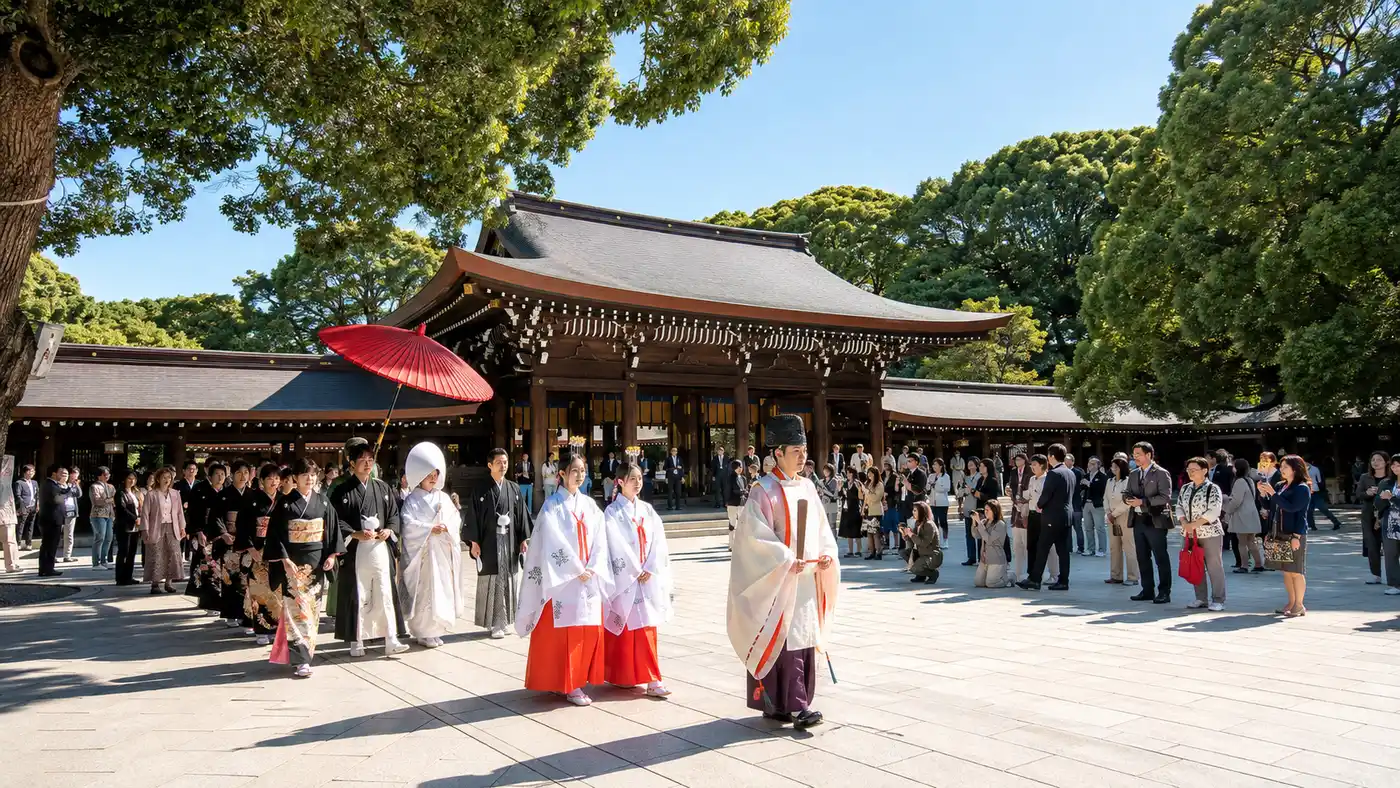
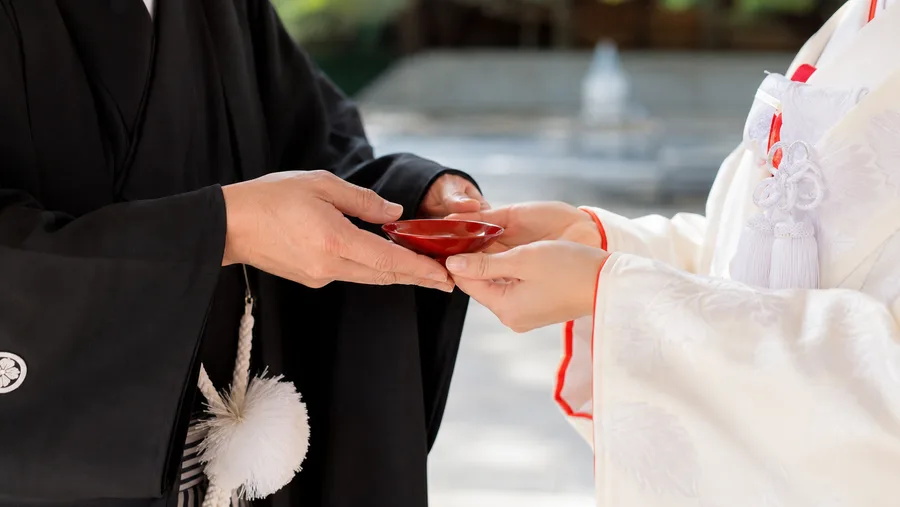
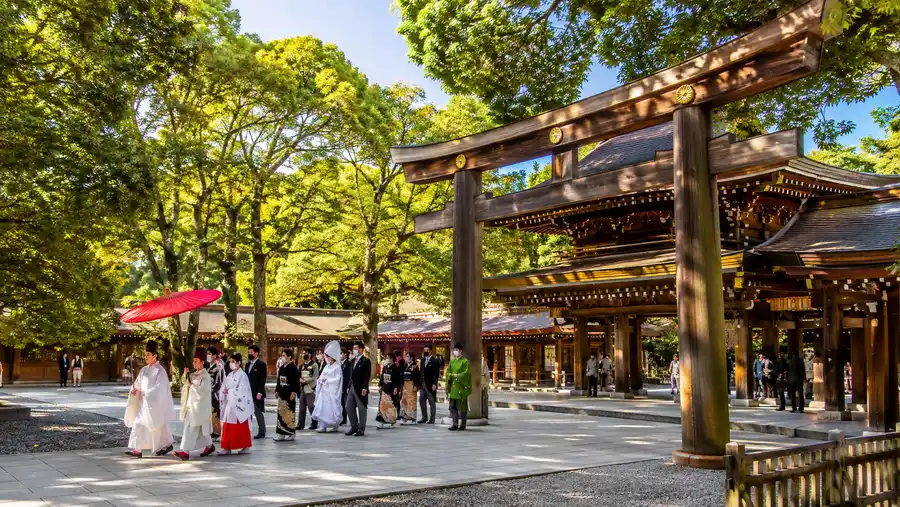
Imagine this: you're strolling through the tranquil grounds, perhaps near the main hall, when you hear the distinct, rhythmic beat of drums and the high, clear notes of a flute. Suddenly, a procession emerges. This is often a traditional Shinto wedding, a truly unforgettable sight. The bride, often in an exquisite white kimono called a shiromuku, moves gracefully, her face sometimes veiled. The groom, in a formal black kimono, walks beside her. Behind them, Shinto priests in their distinctive robes, shrine maidens (miko), and family members follow, creating a solemn, almost ethereal parade.
These ceremonies are usually held on weekends, especially during auspicious months in spring and autumn. You won't typically see the actual ritual inside the main hall, as that's a private family affair. However, the procession through the grounds is often visible, a privilege for visitors. It's a quiet moment of beauty, a testament to enduring traditions. I remember seeing one couple near the Kagura-den, the building where sacred dances are performed, and the air just felt different, filled with a quiet reverence. It really stops you in your tracks.
- Best viewing locations: Paths leading to the main hall, especially near the Kagura-den or the main shrine complex.
- Optimal viewing times: Weekends, particularly Saturday mornings or early afternoons. Auspicious days in spring and autumn are popular.
- Etiquette: Maintain silence, keep a respectful distance, and avoid flash photography. This is a sacred event for the families.
Pro tip: While you can't join the private ceremony, you can usually observe the wedding procession from a respectful distance. Try to find a spot along the main path leading to the Kagura-den or near the main shrine buildings. Be silent and avoid flash photography.
The sounds of the traditional instruments - the hichiriki (oboe-like flute) and taiko drums - echo through the trees, adding to the almost dreamlike atmosphere. It’s a powerful reminder of the shrine's living history, a place where ancient customs continue in the modern world. There are usually a few of these processions on any given Saturday or Sunday, so if you don't catch one immediately, wait a little while or explore other parts of the shrine, you might just get another chance. It’s a genuine slice of Japanese culture.
Annual Grand Festivals and Sacred Performances
Meiji Jingu isn't just about quiet contemplation; it truly comes alive during its annual festivals. These events are deeply rooted in tradition and offer a spectacular display of Japanese culture and ancient rituals. The two biggest are the Spring and Autumn Grand Festivals, each bringing a unique energy to the shrine grounds.
The Spring Grand Festival, or Haru-no-Taisai, usually takes place around early May. It's a multi-day event featuring various dedicatory performances. You might see ancient court music (gagaku), traditional dance (bugaku), and even martial arts demonstrations like kyudo (Japanese archery) or yabusame, the thrilling horseback archery. I caught a glimpse of the yabusame once, the archers in their traditional hunting attire, galloping down the path and firing arrows at targets. It was absolutely breathtaking, a real test of skill and a direct link to samurai traditions. It feels like you're watching history unfold right in front of you.
The Autumn Grand Festival, or Aki-no-Taisai, follows a similar pattern in early November. This time of year, with the leaves starting to turn, adds another layer of beauty to the performances. Both festivals are dedicated to the deified spirits of Emperor Meiji and Empress Shoken, celebrating their contributions and ensuring their peaceful repose. The atmosphere during these times is vibrant but still respectful. You'll find more people, of course, but everyone is there to appreciate the cultural significance.
Note: Specific dates for grand festivals can vary slightly each year, so it's always a good idea to check the official Meiji Jingu website closer to the time if you plan your visit around them. Some events may require tickets or have limited viewing areas.
Beyond these two major events, smaller ceremonies and dedications happen throughout the year. These might not be as widely publicized but are equally important to the shrine's spiritual life. You might just stumble upon one of these quieter moments, a priest performing a purification ritual, or a group offering prayers. It’s a constant cycle of tradition and reverence.
| Event Name | Approximate Date | Description |
|---|---|---|
| Spring Grand Festival (Haru-no-Taisai) | Early May (e.g., May 1-3) | Dedicatory performances including traditional music, dance, and martial arts like Yabusame. |
| Autumn Grand Festival (Aki-no-Taisai) | Early November (e.g., Nov 1-3) | Similar cultural performances to the Spring Festival, celebrating the Emperor and Empress. |
| Hatsumode (New Year's Visit) | Jan 1-3 | First shrine visit of the year, massive crowds seeking blessings and good fortune. |
Book your Meiji Shrine experience:
Welcoming the New Year - Meiji Shrine Hatsumode
If you're in Tokyo for New Year's, experiencing Hatsumode at Meiji Jingu is an absolute must-do, assuming you don't mind crowds. Honestly, it's an experience unlike any other. Millions of people flock to the shrine in the first few days of January, making it one of the most visited shrines in Japan during this period. The energy is electric, full of hope and anticipation for the year ahead.
The atmosphere is a blend of solemnity and festivity. You'll find food stalls lining the approach, selling warm drinks, traditional snacks, and festival foods. The wait to reach the main hall for prayers can be hours long, but it's part of the ritual, a shared pilgrimage. People offer their first prayers of the year, tossing coins into the offering box, bowing twice, clapping twice, and bowing once more. It’s a powerful collective moment.
This is also a prime time for acquiring new omamori (charms) and omikuji (fortune slips). Many visitors purchase new charms for health, safety, or good fortune, retiring their old ones at the shrine. The omikuji here are unique; instead of random fortunes, they contain excerpts from poems by Emperor Meiji or Empress Shoken, offering guidance rather than a simple good or bad prediction. If you get one you don't like, you can tie it to a designated rack, leaving the bad fortune behind. The sheer volume of people doing this creates these fascinating white forests of tied paper slips.
Even if you don't brave the main hall crowds, just walking the approach during Hatsumode, soaking in the atmosphere, and watching families celebrate is an incredible cultural immersion. It feels like the whole city is there, sharing in this ancient tradition.
Everyday Cultural Experiences and Charms
You don't need to visit during a grand festival or witness a meiji shrine wedding to engage with the shrine's cultural offerings. There are plenty of ways to connect with its traditions on any given day. One of the simplest and most popular is collecting an omamori. These protective amulets come in various designs, each offering a specific blessing, like safe travels, academic success, or good health. They make lovely, meaningful souvenirs, and honestly, carrying one always makes me feel a little more connected to the place
Book your Meiji Shrine experience:
Read more about Meiji Shrine.