Meiji Shrine Inner Garden & Iconic Sights
Stepping off the train at Harajuku, you are immediately plunged into the buzzing, kaleidoscopic energy of Tokyo. Just a few hundred yards away, though, lies a sanctuary, a place where the city's frantic pulse quiets to a gentle murmur. I'm talking about Meiji Jingu, a vast Shinto shrine dedicated to Emperor Meiji and Empress Shoken. While the main shrine complex is breathtaking, many visitors miss a true gem: the tranquil meiji shrine inner garden, a place of profound beauty and historical significance. This article will guide you through the expansive grounds, revealing the iconic sights that make Meiji Shrine a must-visit. We'll explore the towering torii gates, the serene forest, the impressive sake barrels, and, of course, delve deep into the peaceful Meiji Jingu Gyoen, often called the imperial garden. Prepare to discover what to see at Meiji Shrine, ensuring your visit is both enriching and deeply memorable.Book your Meiji Shrine experience:
The Grand Entrance and Sacred Forest
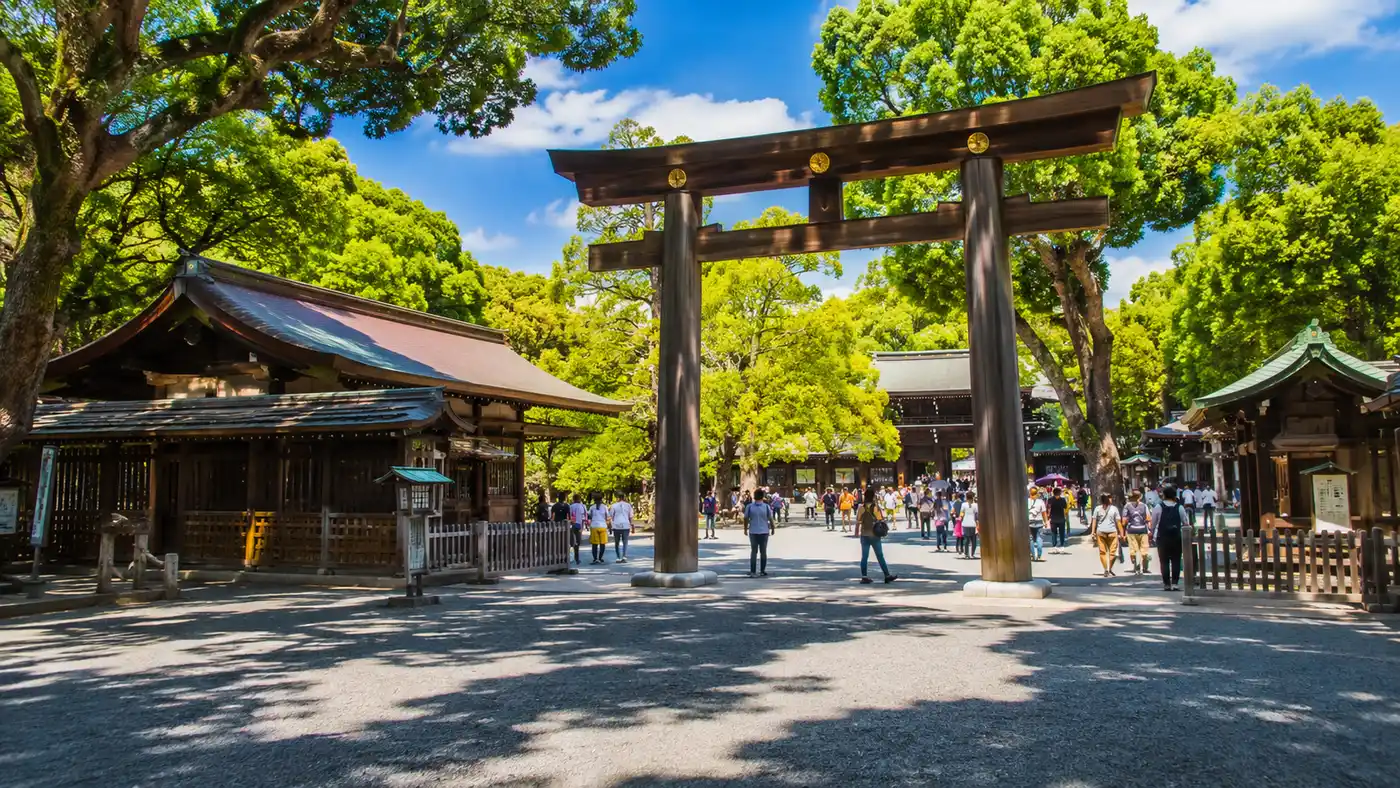
Your journey into Meiji Shrine begins almost immediately after leaving Harajuku Station. The first thing you'll notice is the sheer scale. A massive wooden torii gate, one of the largest in Japan, marks the entrance to the main approach. It stands there, quiet and imposing, a silent invitation to leave the urban sprawl behind. Passing under this first `meiji shrine torii gate` feels like crossing a threshold into another world. The path ahead is wide, paved with gravel, and stretches for a good 1.2 kilometers. On either side, the `meiji shrine forest` rises, a dense, verdant canopy of around 100,000 trees. These weren't here naturally, you know. They were donated from all over Japan and even from overseas, planted by volunteers during the shrine's construction in the early 20th century. It's an artificial forest, yes, but it feels ancient and utterly natural, a living monument. The air cools, the sounds of traffic fade, replaced by birdsong and the crunch of your own footsteps. It's a genuine escape, honestly, even if you are still technically in one of the world's busiest cities. As you walk, you'll encounter a second, equally impressive `meiji jingu shrine torii` gate, signalling your approach to the inner grounds. Just before this, on your left, you'll see one of the most distinctive and photographable sights: the rows of `meiji shrine sake barrels`. These decorative barrels, called kazari-daru, are offerings from various sake brewers across Japan. They represent the deep connection between Shinto deities and sake, which is used in many rituals. They make for fantastic `meiji shrine photos`, especially with the green backdrop of the forest. On the opposite side, you'll find similar barrels of wine, an offering from France, representing a historical friendship.Pro tip: Arrive early in the morning, around 7:30 or 8:00 AM, if you want to experience the forest path in near solitude. The light filtering through the trees is also particularly beautiful then, perfect for peaceful `meiji shrine photos` without crowds.
Exploring the Main Shrine Grounds (Honden & Sanshuden)
After the second torii, the path widens into a large, open plaza. Here, you'll find the temizuya, a purification fountain. It's customary to cleanse your hands and mouth before approaching the main shrine buildings. There are clear instructions posted, which is helpful if you're not familiar with the ritual. It’s a simple, respectful act that prepares you for the sacred space ahead. The main complex itself is striking, built in the traditional Nagare-zukuri style with cypress wood and copper roofs. The `meiji shrine honden`, or main hall, is the focal point, a place of quiet reverence. While visitors cannot enter the Honden, you can approach the front, offer a prayer, and take in the architecture. The atmosphere is always calm, even with a fair number of people present. Nearby is the `meiji shrine sanshuden`, a hall used for various Shinto rituals and ceremonies. If you are lucky, you might even witness a traditional Shinto wedding procession here, a truly beautiful and unexpected sight. You can learn more about these ceremonies and other events at the shrine by checking out our article on Meiji Shrine Weddings, Festivals & Cultural Experiences. The architecture here feels grand yet understated, fitting for a shrine honoring emperors who played a pivotal role in modernizing Japan. It's a place that invites contemplation, a quiet moment in the heart of the city.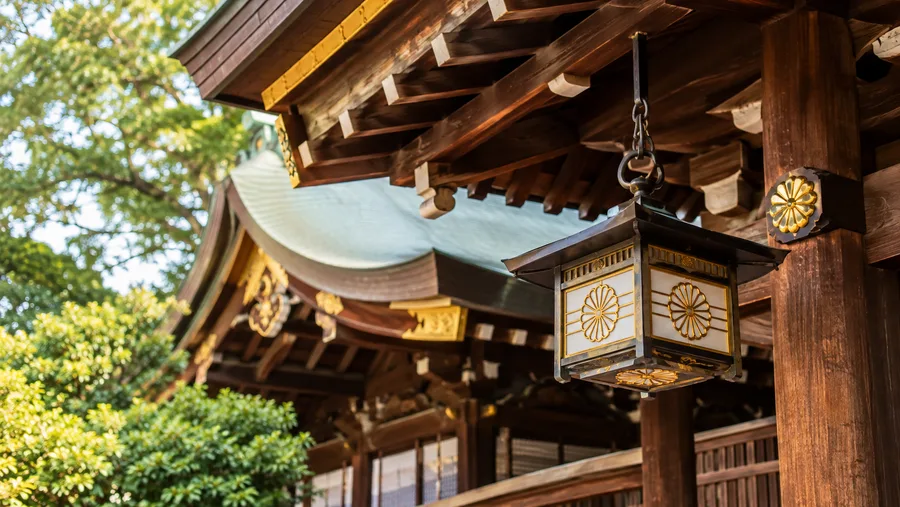
Discovering the Meiji Shrine Inner Garden (Gyoen)
Now, for the real hidden gem: the `meiji shrine inner garden`, also known as Meiji Jingu Gyoen. This isn't part of the free-to-enter main grounds. You'll find the entrance near the south side of the main shrine complex, usually marked with a small booth. There's a modest entrance fee, usually around ¥500, but it is absolutely worth every yen. This garden was once an imperial garden, visited by Emperor Meiji and Empress Shoken themselves. It's said the Empress designed the famous Iris Garden within it. The garden is especially known for its stunning display of irises in June. When I visited in late spring, the irises weren't quite in bloom, but the garden was still incredibly beautiful. You walk along winding paths, past tranquil ponds, and through shaded groves. Kiyomasa's Well, a natural spring, is another highlight here. People say its water has purifying properties, and honestly, standing next to it, you do feel a sense of calm. The air is cool and fresh. The `meiji shrine imperial garden` is a masterclass in traditional Japanese landscaping, designed to evoke natural scenery on a miniature scale. It’s a perfect spot to slow down, listen to the rustling leaves, and maybe just sit on a bench for 15 minutes or so. It feels like a secret garden, a world away from everything. For anyone visiting the `meiji shrine inner garden`, this peaceful retreat is truly the star.Note: The famous Iris Garden within the Meiji Jingu Gyoen is only in full bloom for a short period, typically from early to mid-June. While beautiful year-round, if seeing the irises is your primary goal, plan your visit accordingly.
Book your Meiji Shrine experience:
What to See at Meiji Shrine - Beyond the Main Path
Beyond the main shrine and the inner garden, there are other elements that contribute to the overall experience and answer the question of `what to see at meiji shrine`. The vastness of the `meiji shrine forest` itself is a sight. Just walking through it, observing the interplay of light and shadow, the sheer variety of trees, it’s a meditative experience. You might spot a small, unassuming shrine tucked away, or a particularly old, gnarled tree that seems to hold centuries of stories. The `sake barrels at meiji shrine` are not just for photos; they symbolize the shrine's connection to Japanese culture and agriculture. Take a moment to appreciate the artistry of their decoration. The various `meiji shrine torii gate` structures, from the massive ones at the entrance to smaller ones dotting the paths, all serve as sacred gateways. Each one marks a transition from the mundane to the sacred, a concept central to Shinto. Remember, the entire complex is a dedication to the deified spirits of Emperor Meiji and Empress Shoken. Understanding this history adds a layer of depth to your visit. It's not just a collection of pretty buildings and trees; it's a profound cultural and spiritual site.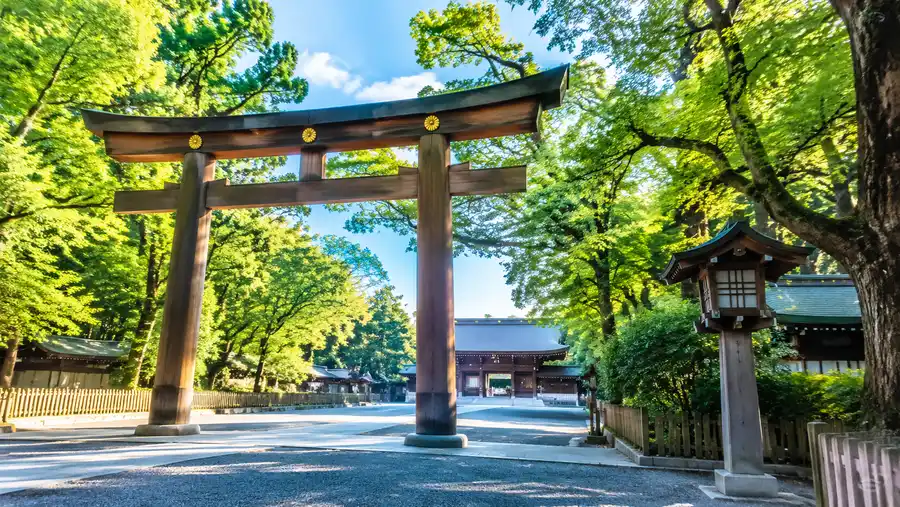
Capturing Meiji Shrine Photos
Taking good `meiji shrine photos` is easy because the place is just so photogenic. The best advice I can give is to respect the sacred nature of the site. Avoid flash photography inside buildings, and be discreet if you happen upon a ceremony. The sheer size of the `meiji shrine torii gate` makes for an impressive shot, especially with people walking through it for scale. The rows of `meiji shrine sake barrels` are a classic. Try different angles, maybe focusing on the intricate labels or the sheer number of them. For the `meiji shrine forest`, look for moments where the sunlight pierces the canopy, creating dramatic shafts of light. The contrast between the dark wood of the `meiji shrine honden` and the bright gravel courtyard is also great. In the `meiji shrine inner garden`, focus on the delicate details: a single iris, the reflections in the pond, or the texture of an old stone lantern. Don't forget to look up at the towering trees; they offer a different perspective.Frequently Asked Questions about meiji shrine inner garden
Is the Meiji Shrine Inner Garden worth the extra fee?
Honestly, yes. The Meiji Jingu Gyoen offers a unique, serene experience distinct from the main shrine grounds, with beautiful landscaping and historical significance. It is usually around ¥500 and provides a peaceful escape.
How long does it take to visit Meiji Shrine and the Inner Garden?
To fully experience the main shrine grounds, including the walk through the forest, plan for about 60-90 minutes. Adding the `meiji shrine inner garden` will require an additional 30-45 minutes, bringing your total visit to around 2 hours.
Can I take photos within the Meiji Shrine complex?
Yes, photography is generally allowed throughout the grounds and garden. However, be respectful, avoid flash inside buildings, and do not disrupt any ceremonies or other visitors. Some areas might have specific restrictions, so always look for signs.
Quick Reference
- Location: Shibuya, Tokyo
- Main Grounds Admission: Free
- Inner Garden Admission: Approx. ¥500
- Best Time to Visit: Early morning
- Primary Feature: Tranquil forest setting
Book your Meiji Shrine experience:
Worth the Trip?
Absolutely. Meiji Shrine, with its vast forest, impressive gates, and the serene `meiji shrine inner garden`, offers a refreshing contrast to the energetic pace of Tokyo. It is a place where history, nature, and spirituality converge, providing a truly unique experience. Whether you're seeking a moment of peace, a glimpse into Japanese culture, or simply a beautiful place for a walk, Meiji Jingu delivers. It’s more than just a tourist attraction; it's a vital part of Tokyo's soul, and a visit here will undoubtedly be a highlight of your trip.Read more about Meiji Shrine.